Updates
Services

Currently it only shows your basic business info. Start adding relevant business details such as description, images and products or services to gain your customers attention by using Boost 360 android app / iOS App / web portal.

We r experienced ND experts in ankle sprain physiotherapy rehabilitation ND sports related ankle injuries
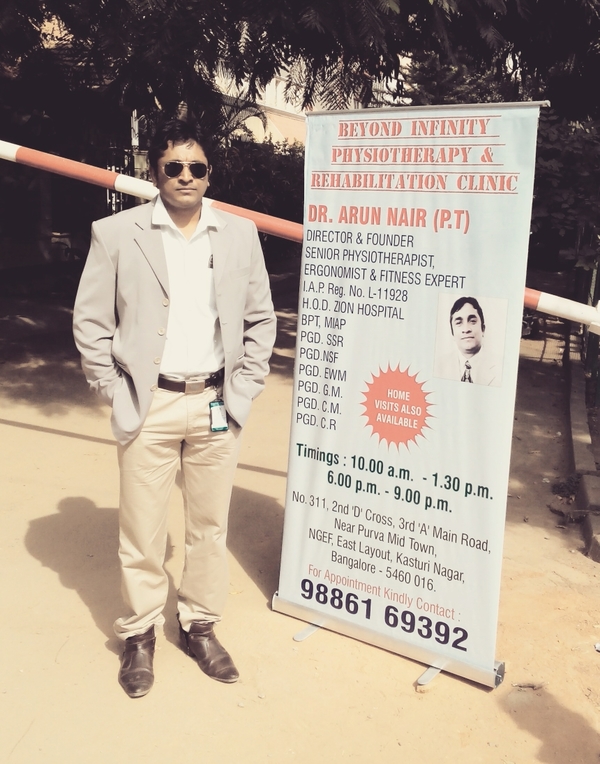
Our recently held physiotherapy joint mobility ND injury rehabilitation camp pic
We r experts in treating tennis elbow ND golfer"s elbow physiotherapy conditions... At our Kasturi Nagar branch...! Physiotherapy treatment, good supplimentation, rest ND Do"s nd DON'T... r the important aspects in a successful rehabilitation
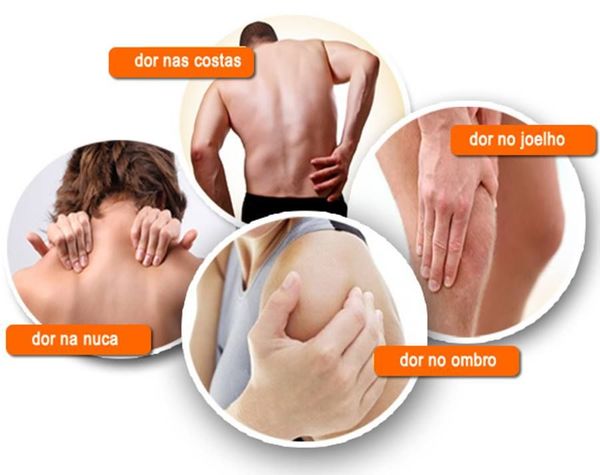
Affordable and accountable service and get treatment by a specialist Best physiotherapist doctor at home.
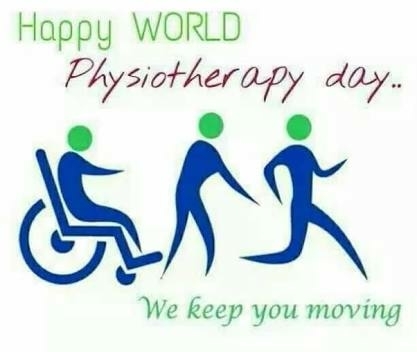
Physiotherapy adds years to life ND life to years
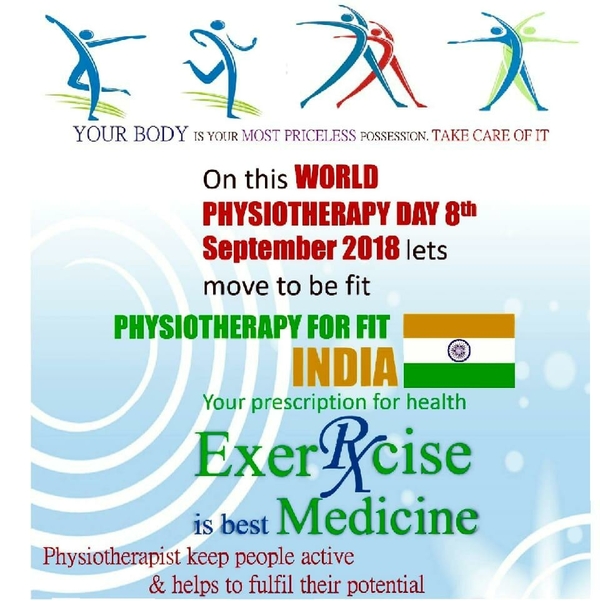
Happy world physiotherapy day...

Lifestyle modification & management Have you heard of osteoarthritis? Rather than an individual ailment, it refers to a series of conditions that involve degradation of the joints. This can lead to joint pain, tenderness, stiffness, creaking, locking of joints and sometimes swelling, all of which range from uncomfortable to painful and can greatly affect your daily activities due to reduced mobility. Though medication is often prescribed, the most effective solution is to nip osteoarthritis in the bud, or apply actions to your daily routine if it has already taken hold. This can include exercise, posture changes and lifestyle modification, all of which may be recommended by your physiotherapist.

Soft Tissue management What are the symptoms of soft tissue injuries? When soft tissue is damaged, there is usually immediate pain along with immediate or delayed swelling (excessive swelling can slow the healing process – see treatment below). Stiffness is also very common as a result of the trauma and swelling. Bruising may also develop after 24-48 hours. In the case of moderate to severe soft tissue injuries of muscles, tendons and ligaments around a joint, there may be instability experienced, especially to weight bearing joints like the hip, knee and ankle. How long will it take to recover from a soft tissue injury? The recovery time from grade 1 soft tissue injuries in one to two weeks and three to four weeks for a grade 2. Grade three soft tissue injuries require immediate assessment and treatment, with much longer recovery times. Recovery times can also depend on your age, general health and occupation. If you are not sure of the nature or extent of your injury, contact an experienced Specialist Physiotherapist for advice.
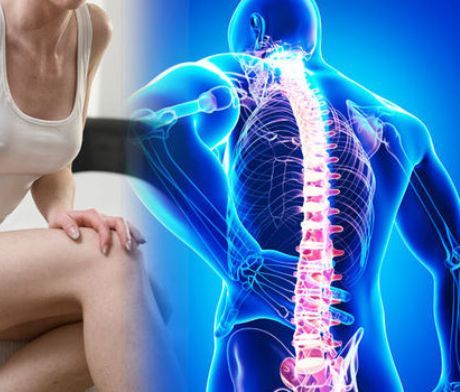
Multiple sclerosis (MS) is a progressive autoimmune disease. Autoimmune diseases mistake normal, healthy parts of the body as foreign and attack them. In the case of MS, the body attacks and destroys the protective sheath that surrounds your nerves. This sheath is called myelin. The damage to and destruction of the myelin eventually affects the nerves. Nerve damage delays and disrupts communication between your brain and parts of the body. MS is unpredictable. It fluctuates and changes from month to month and person to person. For some people, MS is only mildly intrusive. The symptoms and signs of the disease are minuscule compared to more invasive conditions, such as a spinal cord injury or stroke. However, that’s not the case for everyone. MS can also progress quickly. Flares can be very difficult, and recovery might not be possible. Over time, MS destroys the myelin around your nerves. This damage cannot be repaired.

Occupational life style hazards its management Occupational Health Physiotherapists work collaboratively with a range of people including employers, employees, other health professionals, engineers and designers to offer a range of measures aimed at reducing health and safety risks for people at work. These can be grouped into the following categories: Primary prevention: protecting healthy people from developing disease or injury at work through health promotion, training and identification, assessment and control of potential hazards such as whole body vibration (rough rides), manual tasks, postural stresses and sedentary work. Secondary prevention: limiting long-term disability and preventing re-injury through early intervention and provision of suitable return to work duties. This includes identification and management of risks such as physical, psychosocial and organisational factors. Tertiary prevention: helping people to manage complicated long-term health problems such as chronic pain and disability and, where appropriate, return to modified work.
