Updates
Services
Currently it only shows your basic business info. Start adding relevant business details such as description, images and products or services to gain your customers attention by using Boost 360 android app / iOS App / web portal.

The DBC is a comprehensive evaluation and treatment concept for back disorders available in Bangalore only at Beyond Infinity physiotherapy Center. Individualized programs are planned by an experienced team of physiotherapists based on a questionnaire, physical evaluations and mobility, strength, dynamic function and endurance tests that compare the spine’s critical function to normal healthy values.
INR 0 INR 0
Availability:True
Pay mode:COD only
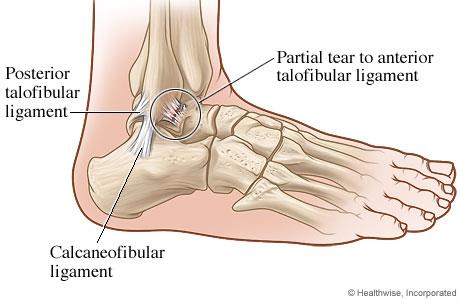
What is a Knee Ligament? A ligament is a short band of tough fibrous connective tissue composed mainly of long, stringy collagen molecules. Ligaments connect bones to other bones in and around joints. They do not connect muscles to bones; that is the function of tendons. Ligaments limit the amount of mobility of a joint, or prevent certain movements altogether. What Causes Knee Ligament Injuries? You can injure a ligament through a sharp change in direction, landing wrong from a jump, or the most common a blunt force hit to the knee, such as in football tackle. The incident usually needs to happen at speed. Muscle weakness or in coordination predispose you to a ligament sprain or tear. Symptoms & Severity of Knee Ligament Injuries? The severity and symptoms of a ligament sprain depends on the degree of stretching or tearing of the ligament. In a mild grade I sprain, the ligaments may stretch, but they don't actually tear. Although the joint may not hurt or swell very much, a mild sprain can increase the risk of a repeat injury. With a moderate grade II sprain, the ligament tears partially. Swelling and bruising are common, and use of the joint is usually painful and difficult. With a severe grade III sprain, a ligament tears completely, causing swelling and sometimes bleeding under the skin. As a result, the joint is unstable and unable to bear weight. Often there will be no pain following a grade 3 tear as all of the pain fibres are torn at the time of injury.
INR 0 INR 0
Availability:True
Pay mode:COD only
There are several different approaches to physiotherapy treatment after stroke. These can broadly be divided into approaches that are based on neurophysiological, motor learning, or orthopaedic principles. Some physiotherapists base their treatment on a single approach, whereas others use a mixture of components from a number of different approaches. The practical application of these approaches can result in substantial differences in patient treatment. At present, the Bobath Approach, based on neurophysiological principles, probably remains the most widely used approach in the Western world.However, there is a lack of convincing evidence to support any specific physiotherapy treatment approach.This systematic review aims to assess the effects of physiotherapy treatment if it is based on orthopedic, motor learning, or neurophysiological principles, or on a mixture of these treatment principles.
INR 0 INR 0
Availability:True
Pay mode:COD only
The purpose of treatment for cerebral palsy is to promote the most normal, manageable and healthy life possible. This is accomplished through treatments that allow people with cerebral palsy to maximize their independence in daily life.
INR 0 INR 0
Availability:True
Pay mode:COD only
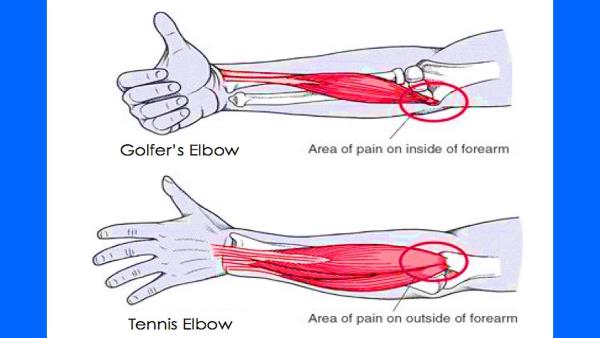
Tennis elbow is an inflammation of the tendons that join the muscles of the forearm on the outside of the elbow. It often happens as a result of strenuous overuse of the muscles and tendons of the forearm and around the elbow joint. Tennis elbow is also known as lateral elbow pain or lateral epicondylitis
INR 0 INR 0
Availability:True
Pay mode:COD only
If you can’t move your shoulder around like you used to, you could have periarthritis shoulder. When it hurts to move your shoulder or you don’t have as much movement in your shoulder as before, your shoulder may become “frozen.” Because of this, doctors sometimes refer to this problem as Adhesive capsulitis or Frozen Shoulder. You should be able to move your shoulder in all directions without pain. To test yourself, do these things: Shoulder stiffness Inability to raise arm Limited shoulder mobility Shoulder pain Shoulder immobility Radiating pain down arm Shoulder pain; usually a dull, aching pain Limited movement of the shoulder Difficulty with activities such as brushing hair, putting on shirts/bras Pain when trying to sleep on the affected shoulder
INR 0 INR 0
Availability:True
Pay mode:COD only
Gait training is a type of physical therapy that can help improve your ability to walk. Your doctor may recommend gait training to help you recover from an injury or illness. Your physical therapist may ask you to walk on a treadmill, complete strength trainingexercises, or do other activities
INR 0 INR 0
Availability:True
Pay mode:COD only
Sciatica is often characterized by one or more of the following symptoms: Constant pain in only one side of the buttock or leg (rarely in both legs) Pain that is worse when sitting Leg pain that is often described as burning, tingling, or searing (versus a dull ache) Weakness, numbness, or difficulty moving the leg, foot, and/or toes A sharp pain that may make it difficult to stand up or walk Pain that radiates down the leg and possibly into the foot and toes (it rarely occurs only in the foot) Sciatic pain can vary from infrequent and irritating to constant and incapacitating. Symptoms are usually based on the location of the pinched nerve.
INR 0 INR 0
Availability:True
Pay mode:COD only
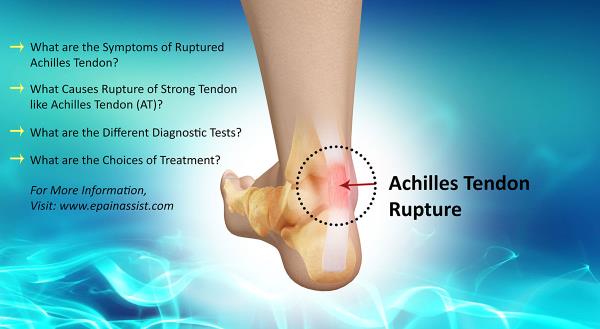
A tendon is the fibrous tissue that attaches muscle to bone in the human body. The forces applied to a tendon may be more than 5 times your body weight. In some rare instances, tendons can snap or rupture. Conditions that make a rupture more likely include the injection of steroids into a tendon, certain diseases (such as gout or hyperparathyroidism), and having type O blood. Although fairly uncommon, a tendon rupture can be a serious problem and may result in excruciating pain and permanent disability if untreated. Each type of tendon rupture has its own signs and symptoms and can be treated either surgically or medically depending on the severity of the rupture and the confidence of the surgeon. The 4 most common areas of tendon rupture include: Quadriceps A group of 4 muscles that come together just above your kneecap (patella) to form the patellar tendon. Often called the quads, this group of muscles is used to extend the leg at the knee and aids in walking, running, and jumping. Achilles This tendon is located on the back portion of the foot just above the heel. It is the site where the calf muscle attaches to the heel of the foot (the calcaneus bone). This tendon is vital for pushing off with the foot. The Achilles helps you stand on your tiptoes and push off when starting a foot race. Rotator cuff Your rotator cuff is located in the shoulder and is actually composed of 4 muscles that function together to raise your arm out to the side, to help you rotate the arm, and to keep your shoulder from popping out of its socket. The rotator cuff tendon is one of the most common areas in the body affected by tendon injury. Some studies of people after death have shown that 8% to 20% have rotator cuff tears. Biceps The biceps muscle of the arm functions as a flexor of the elbow. This muscle brings the hand toward the shoulder by bending at the elbow. Ruptures of the biceps are classified as proximal (close) or distal (far). Distal ruptures are extremely rare. The proximal rupture occurs where the biceps attaches at the top of your shoulder.
INR 0 INR 0
Availability:True
Pay mode:COD only